Aluminium construction changes the repair maths
Many modern Jaguar models use aluminium-intensive body structures rather than conventional steel shells. That decision keeps weight down and handling sharp, but it changes how accident damage is assessed and repaired. Aluminium panels often require specialist tools, dedicated repair bays and technicians trained in bonding and riveting methods that aren’t used on ordinary hatchbacks. Not every bodyshop is equipped for that.
From an insurance perspective, that can mean higher average repair costs after relatively minor impacts. Even a low-speed parking knock can involve panel replacement rather than simple reshaping. Insurers look closely at claims data for these models, and that history feeds directly into pricing.
Performance sits across the range, not just the obvious models
Jaguar isn’t only about high-performance “R” badges. Even standard trims often deliver strong acceleration and higher top-end capability compared with similarly sized family cars. Larger engines, rear-wheel drive layouts and performance-biased suspension setups can all influence insurance group placement.
For drivers moving from a modest saloon into a Jaguar XE, XF or F-PACE, the jump in insurance cost can be noticeable. Not because it’s a sports car in the traditional sense, but because performance and repair complexity are baked into the design across much of the range.
Parts pricing and specialist components
Jaguar models frequently use bespoke lighting units, large alloy wheels, advanced infotainment systems and driver assistance sensors integrated into bumpers and windscreens. A cracked headlamp or damaged front grille can cost considerably more than on a mass-market equivalent.
Modern Jaguars also carry radar and camera systems that require recalibration after even minor repairs. Windscreen replacement is a good example. It’s rarely just glass. Sensors must be reset correctly, and insurers factor that into average claim costs.
Theft patterns and keyless entry exposure
Some Jaguar models, particularly SUVs and higher-spec trims, have featured in theft statistics linked to keyless entry systems. Insurers respond to patterns. In certain postcodes, this can lead to additional underwriting questions about overnight parking, physical security devices or tracker installation.
Garaging, gated parking and approved tracking systems can sometimes make a tangible difference. Where a Jaguar is kept overnight matters more than it might for a lower-value car with less demand on the resale market.
Electric Jaguars bring a different risk profile
The all-electric I-PACE introduced another layer of underwriting considerations. High-voltage battery systems are expensive components, and while serious battery failures are uncommon, replacement costs are significant. Insurers also assess repair network capability for EVs, because not every workshop is authorised to work on high-voltage systems.
Battery placement in the vehicle floor can also affect write-off thresholds after underbody damage. That doesn’t mean premiums are automatically higher, but it does affect how expensive a claim is when something goes wrong.
Classic and older Jaguars require a separate approach
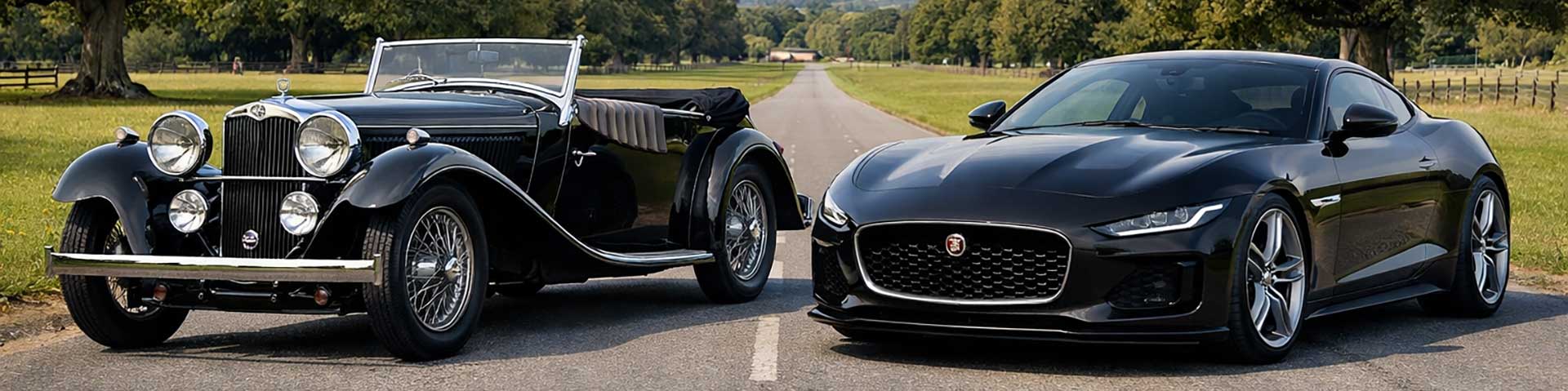
Older XJ, XK and E-Type models sit in a different insurance category altogether. Values can fluctuate based on condition, originality and provenance. Owners often seek agreed value policies rather than relying on standard market value settlements.
Limited mileage, secure storage and club membership can all come into play. Classic Jaguar insurance is rarely about speed or postcode risk alone. It’s about preservation, valuation accuracy and parts availability for ageing components.
How insurers tend to view Jaguar drivers
Driver profile still matters. Age, licence history, occupation, annual mileage and claims record remain central to pricing. However, Jaguar ownership sometimes correlates with higher annual mileage, business use or motorway commuting patterns, particularly for executive saloon models. That usage profile feeds into risk modelling.
For SUV variants, insurers may pay particular attention to urban exposure and theft rates. For performance derivatives, conviction history and previous claims can carry greater weighting simply because the base vehicle already sits higher in the risk spectrum.
Why small details can shift the premium
Factory options make a difference with Jaguar. Larger wheels, panoramic roofs, upgraded sound systems, performance packs or bespoke paint finishes increase replacement cost. If they’re not declared accurately, there’s potential for dispute after a claim.
Insurance for Jaguar cars tends to be less forgiving of vague descriptions. Precise model identification, correct trim level and declared modifications all matter. Two Jaguars that look similar at a glance can sit in different insurance groups once specification is examined properly.
Jaguar insurance isn’t about nationality or heritage. It’s about materials, performance engineering, theft exposure and repair economics. That combination is what sets it apart from the average family car, and why premiums are assessed through a slightly different lens.